MiniMax released M2.1 the day its Hong Kong IPO listing hearing was confirmed — which is either coincidence or very deliberate timing. Either way, M2.1 is the company's most focused model release to date: a coding-specialist with official scores placing it in the SWE-bench Verified first tier and Multi-SWE-bench results the company claims surpass Claude Sonnet 4.5 across 8 programming languages.
The benchmark story is credible enough to investigate with real tasks. First-hand testing found a model that correctly implements Kepler orbital mechanics in Java without approximation, separates frontend and backend concerns correctly in a multi-language full-stack project, and completes a phone-OS-inside-a-browser project in one shot in under 30 minutes.
What Changed from M2 to M2.1
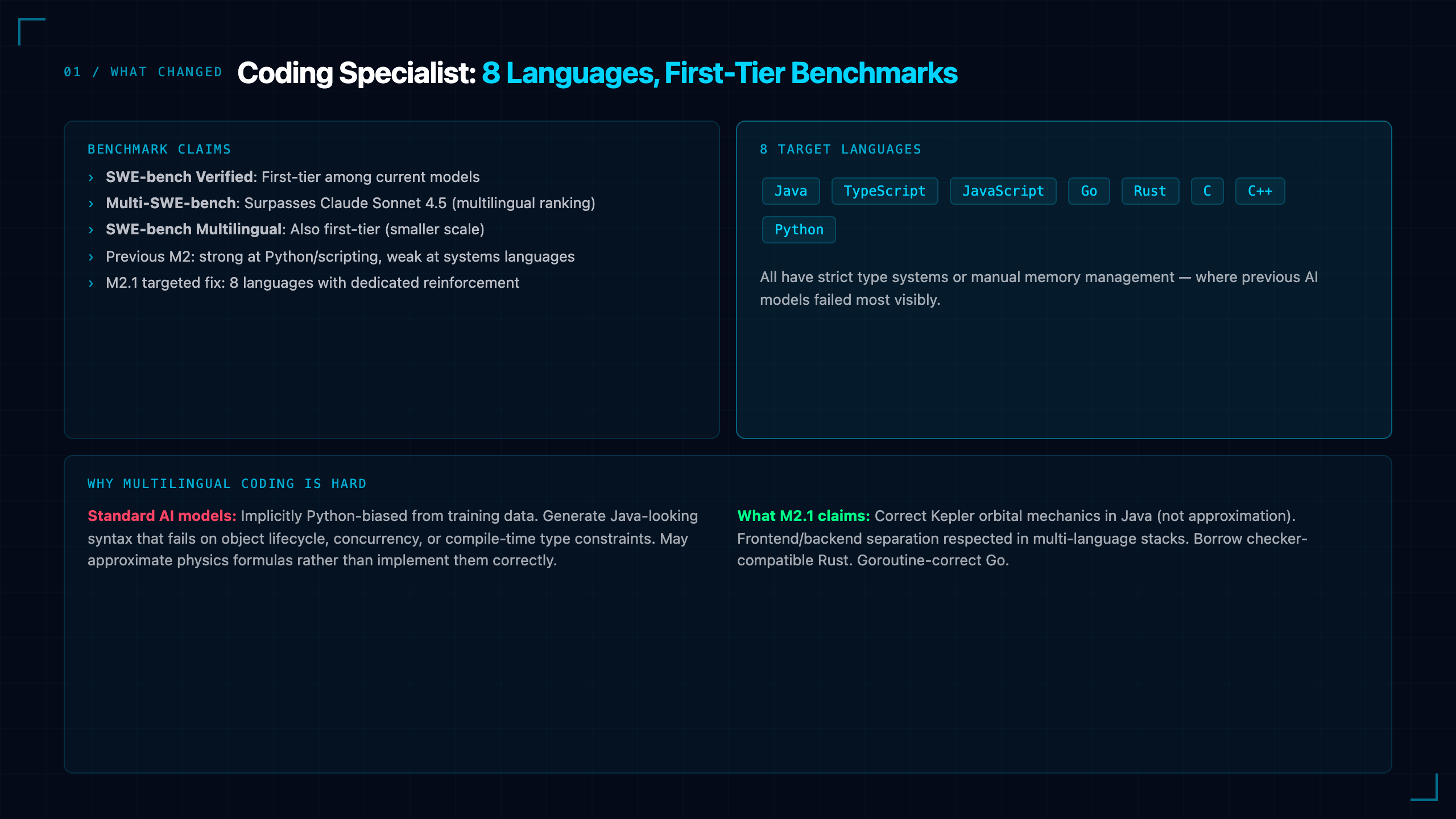
M2.1 is specifically a coding-focused upgrade from M2 (released October). The improvement is targeted at a specific problem: previous AI coding models performed well on Python/JavaScript scripts but degraded significantly on systems languages with strict type systems and complex runtime semantics.
The benchmark claims:
- SWE-bench Verified: First tier among current models
- Multi-SWE-bench (Java, TypeScript, JavaScript, Go, Rust, C, C++): Surpasses Claude Sonnet 4.5 on multilingual ranking
- SWE-bench Multilingual: Also first tier (smaller scale benchmark)
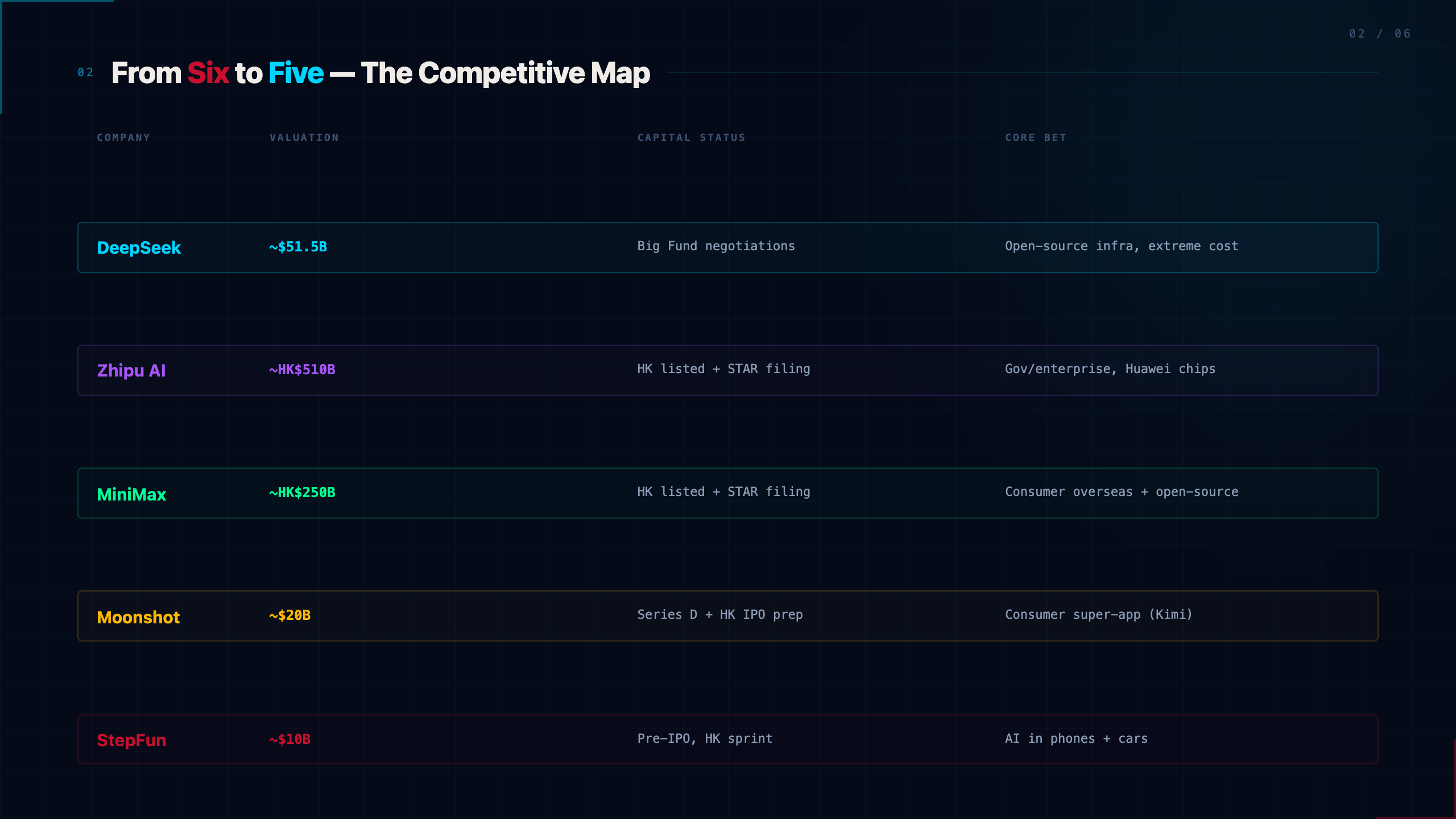
The IPO context is relevant: MiniMax passing the HKEX listing hearing creates commercial pressure to ship competitive models. M2.1 releasing the same week is consistent with that pressure. Whether the benchmark results reflect production coding quality is the more important question.
Five Tasks, Measured Results
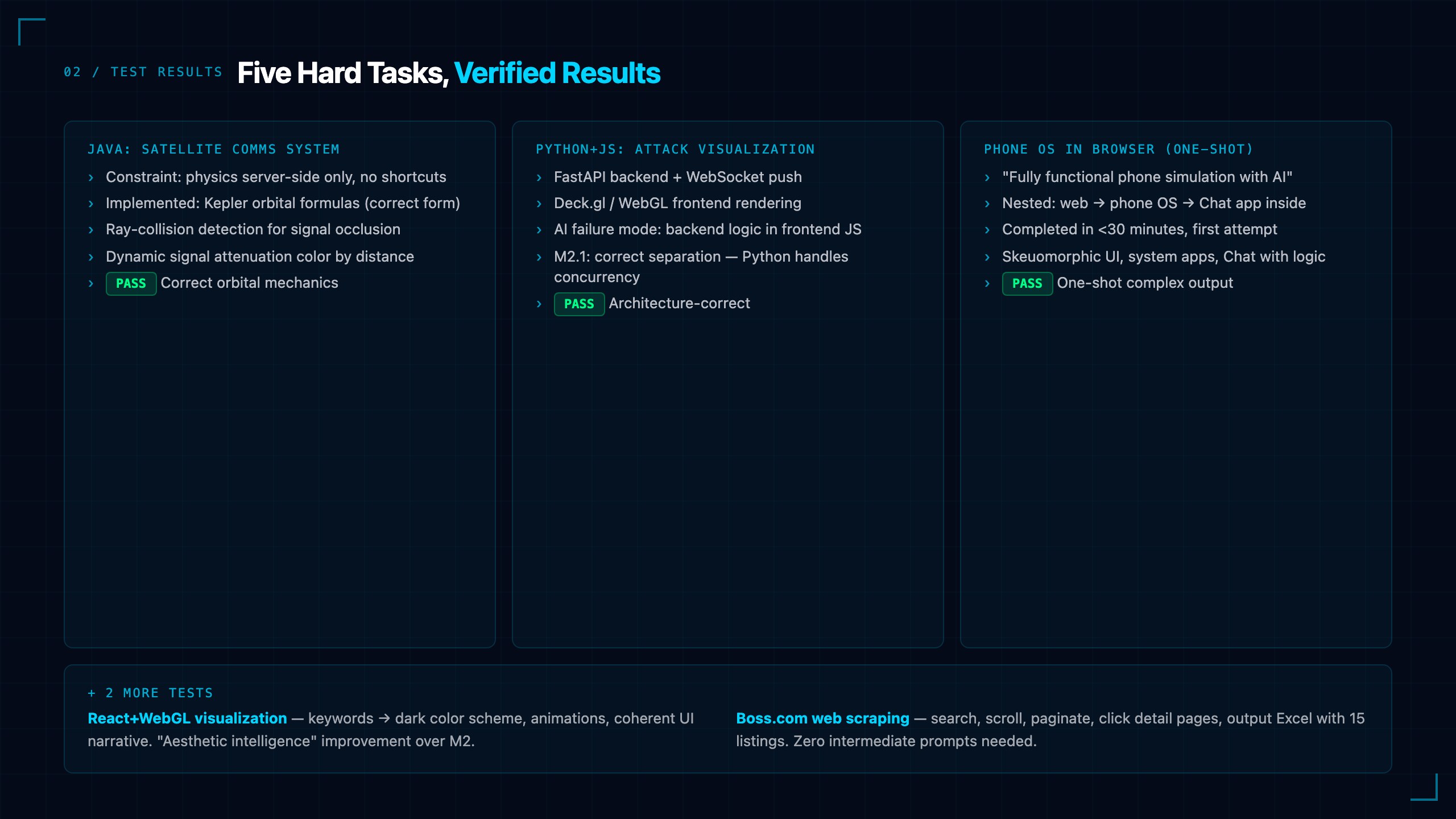
Task 1: Java satellite communication system
Constraint: all physics computation must run server-side, no client-side shortcuts.
M2.1 implemented full Kepler orbital mechanics — not approximations, not external library calls. It wrote a custom ray-collision detection algorithm to compute signal occlusion, and dynamically calculated signal attenuation color based on distance. The architecture is correct: physics engine in backend, 3D rendering in frontend. No "cheat" of putting orbital calculations in JavaScript.
Task 2: Real-time cyberattack visualization system
Stack: Python/FastAPI backend with WebSocket push + Deck.gl/WebGL frontend for rendering.
The historical failure mode with AI on multi-language stacks: the model confuses frontend and backend responsibilities — e.g., Python backend written as a single Flask file with all logic inline. M2.1 correctly separated concerns: high-concurrency data handling and WebSocket push in Python, all rendering delegated to the WebGL frontend. The result is architecturally correct for production — not just demo-quality separation.
Task 3: Phone OS simulation (one-shot)
Prompt: build a fully functional interactive phone simulation system with AI capabilities.
Difficulty: a web page containing a phone, containing an AI-powered app. M2.1 completed the task in under 30 minutes, one attempt. Output: a skeuomorphic phone OS with status bar, home button, system app icons, and a functional Chat app inside. The nested logic loop was complete and correct.
Task 4: Global scientist death investigation data visualization
Input: abstract keywords ("cold, objective, declassified files"). Stack: React + WebGL.
The test was about UI aesthetics, not just logic. M2.1 independently derived a dark color scheme, designed transition animations, and produced a smooth, coherent visual narrative from the keywords. The article notes a subjective "美商" (aesthetic intelligence) improvement over M2.
Task 5: Browser automation — job listing scraper
Task: search Boss.com for frontend developer jobs, extract top 15 listings (salary, company, skill requirements), output as Excel.
M2.1 invoked browser tools, typed the search query, scrolled to load results, clicked into detail pages, and returned a populated Excel file. No friction, no intermediate clarification requests. Correct extraction at scale.
Why Multilingual Coding Matters
The standard AI coding benchmark (SWE-bench) is Python-centric. Real enterprise software runs on Java, Go, C++, Rust — languages with strict type systems, manual memory management, and compile-time enforcement that makes errors show up differently than Python's runtime failures.
Most AI models trained on internet code are implicitly Python-biased: they handle scripting tasks well but produce architecturally incorrect or unsafe code in systems languages. Java enterprise code requires understanding of concurrency, exception hierarchies, and object lifecycle. Go requires understanding of goroutines and channel semantics. Rust requires satisfying the borrow checker.
Multi-SWE-bench tests specifically against GitHub issues in repos written in these languages. A model that ranks first tier on Multi-SWE-bench for 7 non-Python languages is making a specific claim that's testable against real codebases — not just "can generate Java-looking syntax."
The satellite system test was a proxy for this: Kepler orbital equations have a correct implementation and an approximation. A model that knows the domain will use the correct form. M2.1 used the correct form.
What It Means for Developers
Java/Go/Rust shops: M2.1 is the first Chinese model that explicitly targets non-Python language quality. If you're evaluating Chinese AI models for enterprise Java or Go codebases, this is the one to test seriously.
Full-stack architecture quality: The WebSocket test showed correct separation of concerns — not just generating code that works, but generating code with the right architecture. This matters when the output goes into production rather than demo.
One-shot complex projects: Three of the five test tasks completed correctly on the first attempt. The phone OS simulation in particular (nested application, 30 minutes, one shot) suggests M2.1 can handle longer generation sequences without mid-task context drift.
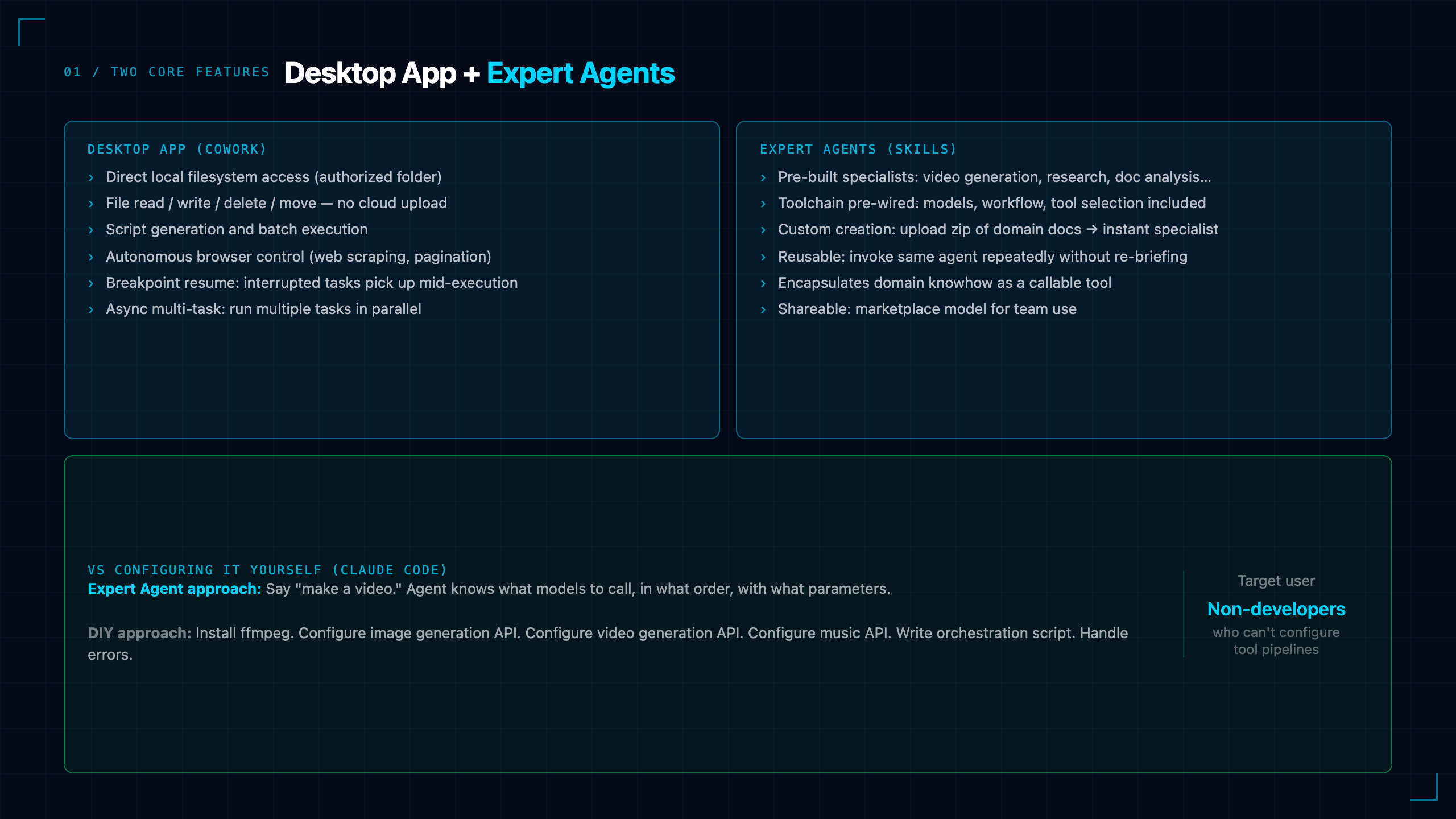
Agentic workflows: The Boss.com scraping test showed competent browser tool use — the capability is there for web automation tasks, though the primary differentiation over M2.5 is the language-specific coding quality.
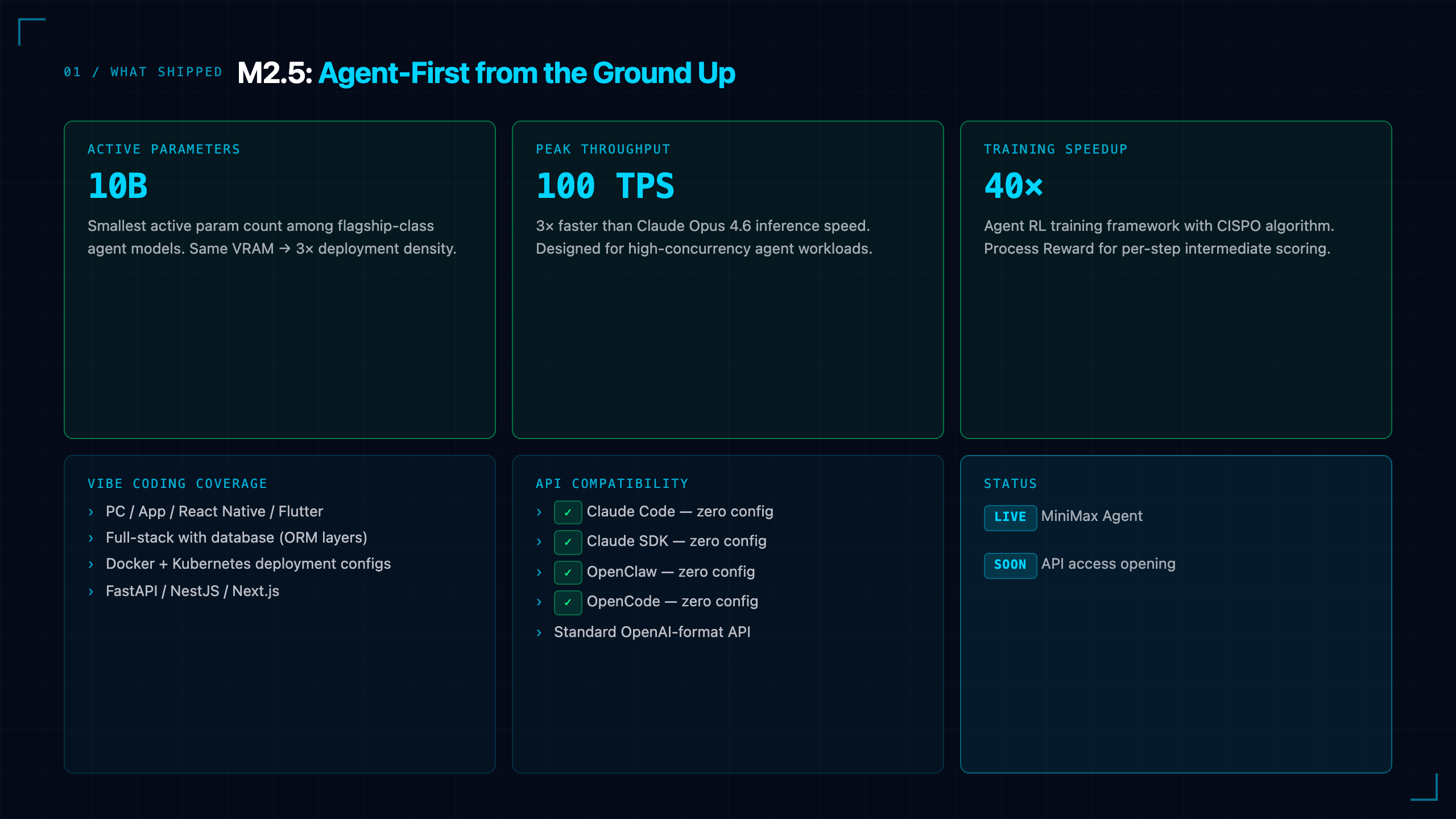
API availability: M2.1 is in beta alongside M2.5. MiniMax's API pricing for comparable models runs $0.60/M input, $2.50/M output (K2 rate). M2.1-specific pricing has not been publicly announced.
Bottom Line
M2.1 is MiniMax's answer to a specific gap: Chinese AI models that work for Python but fail for Java/Go/Rust. The Multi-SWE-bench claim (surpassing Sonnet 4.5 on multilingual) is specific enough to test against your own codebases. The first-hand task results — correct Kepler implementation, correct frontend/backend separation, one-shot phone OS — are consistent with the benchmark position. The IPO timing adds commercial urgency; the model adds technical substance.
Resources
- MiniMax Official Site — company homepage
- MiniMax API — API access
- SWE-bench Verified — official benchmark leaderboard
- Multi-SWE-bench — multilingual SWE benchmark
MiniMax M2.1 API access is available at api.minimax.chat. Pricing for M2.1 has not been separately announced.