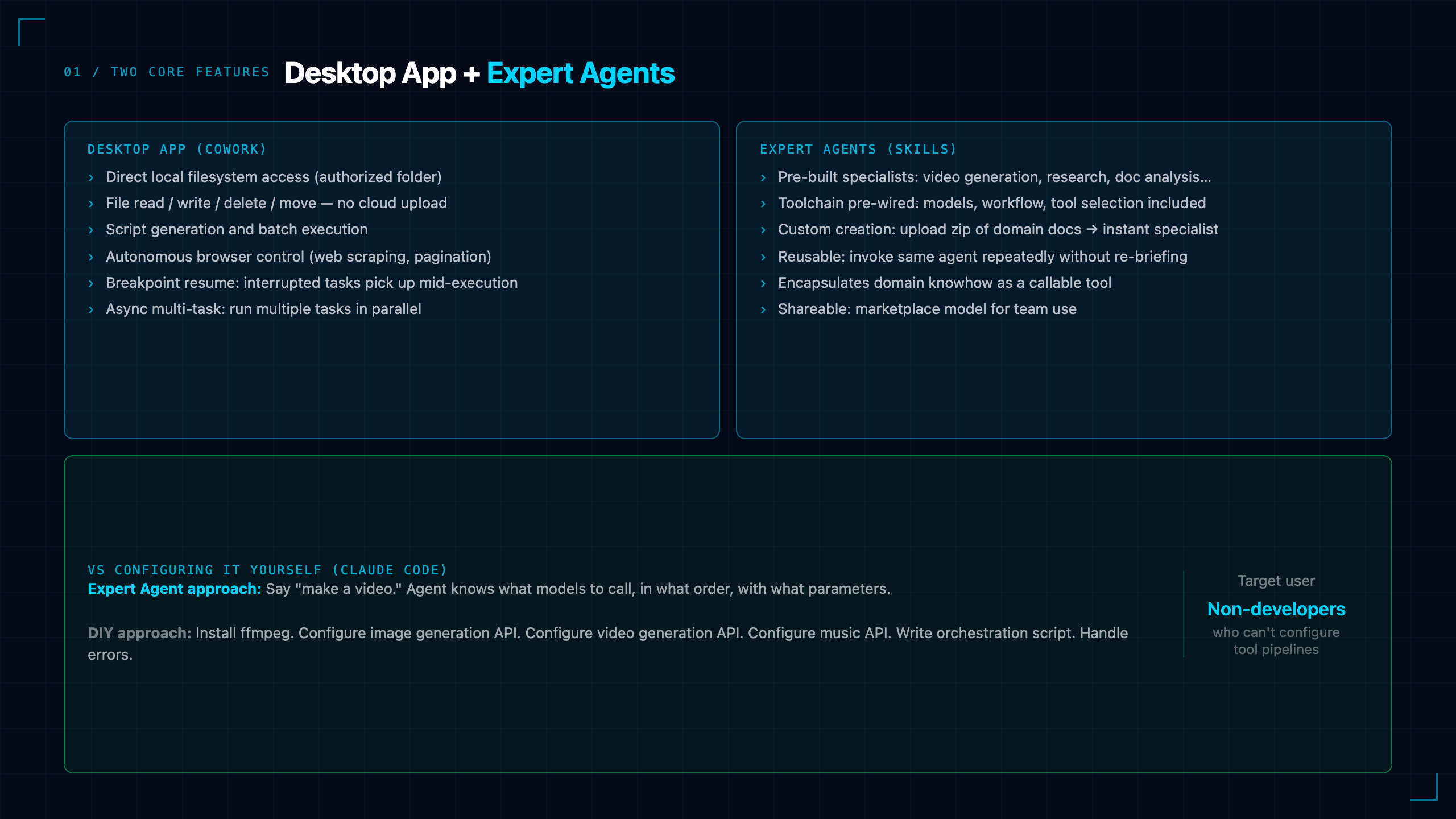
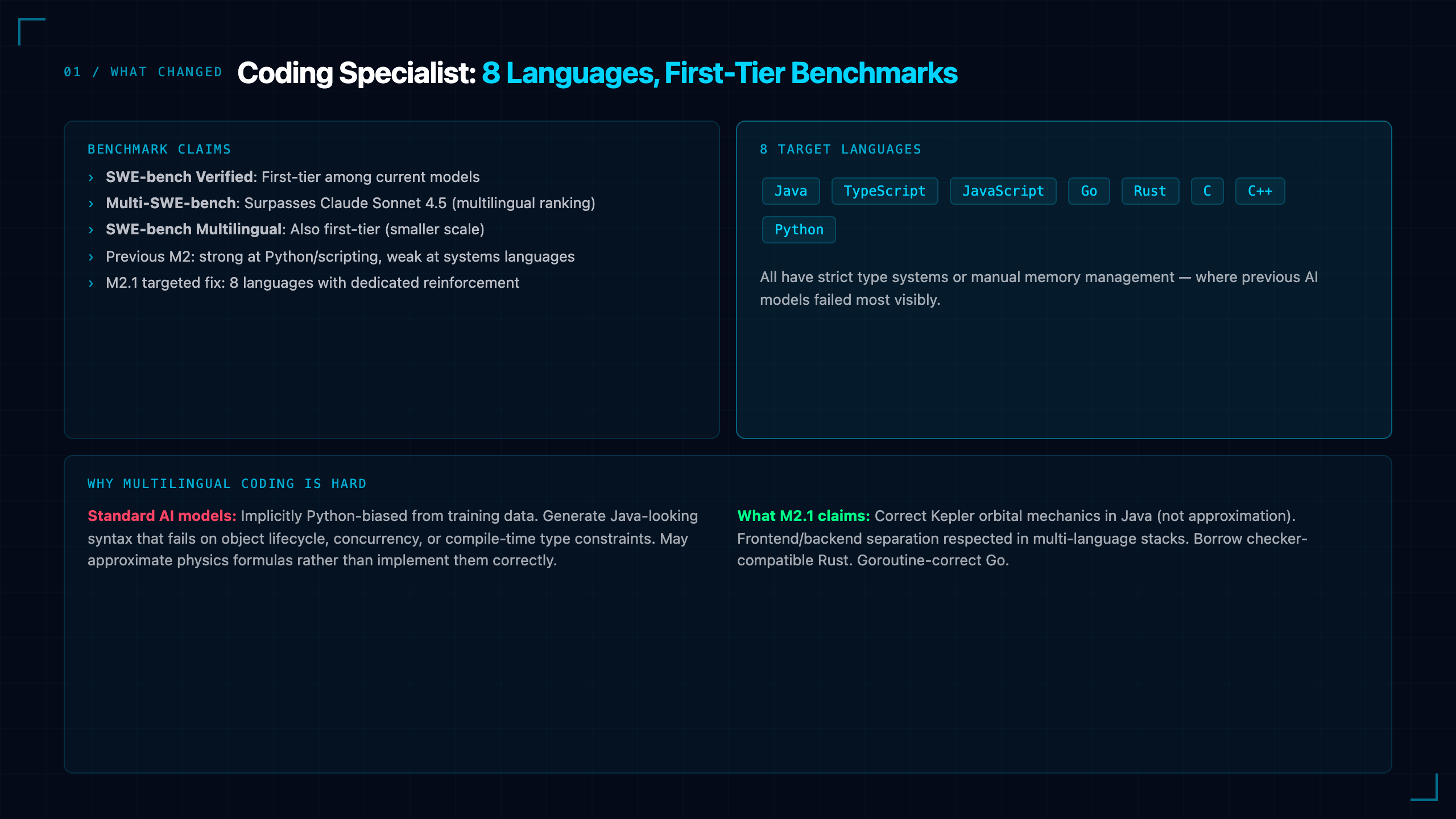
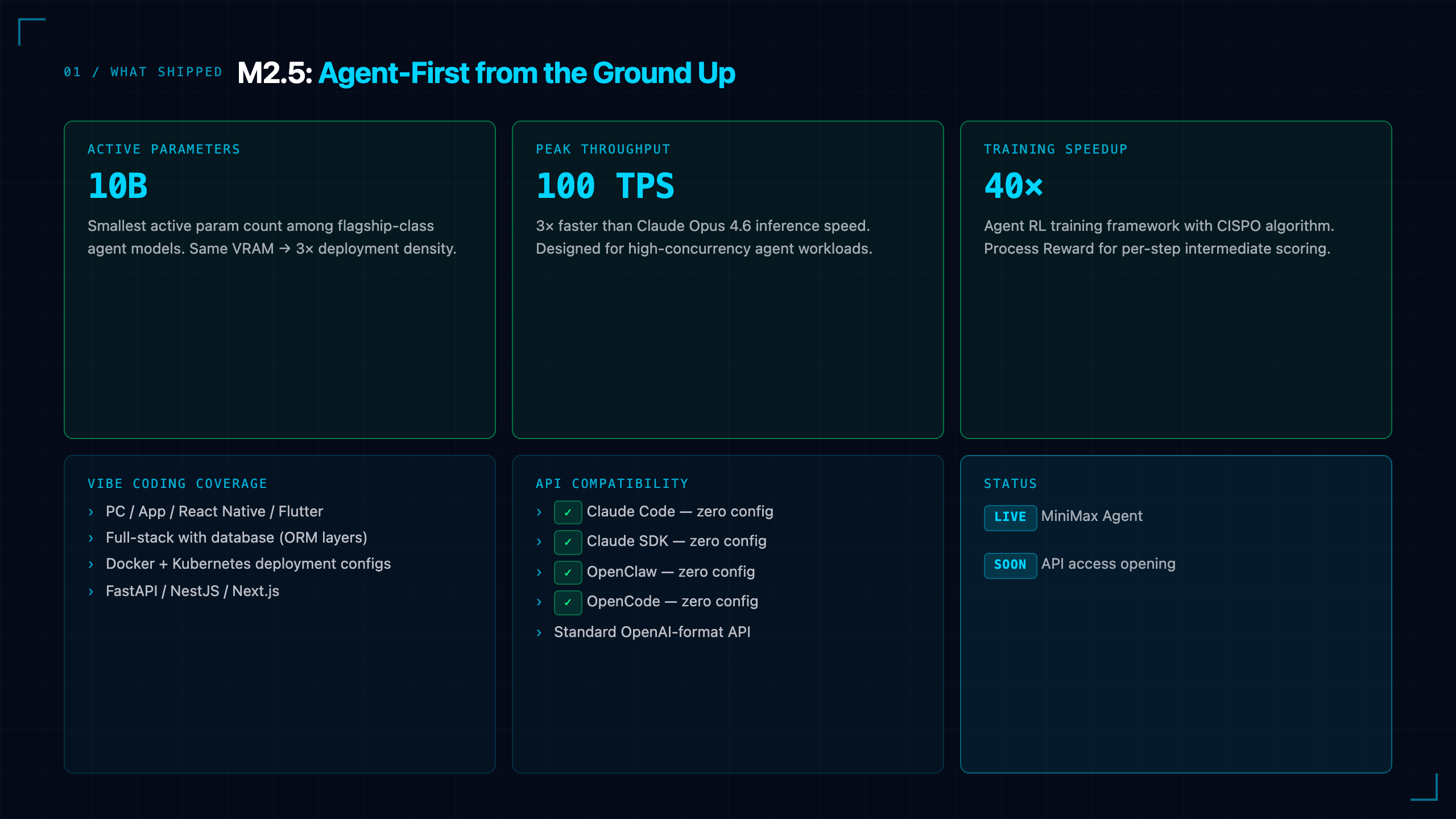
MiniMax open-sourced M2 at noon — a frontier-class model with a benchmark profile that breaks the standard intelligence/speed/cost tradeoff. The Artificial Analysis intelligence index puts M2 at #5 globally, behind GPT-5, Grok 4, and Claude 4.5. Its input price: $0.3/M — 1/12 of Claude, 1/7 of GPT-5.
The price-intelligence plot on Artificial Analysis tells the story bluntly: M2 sits in the upper-right quadrant of the "cheap and smart" zone, with no model currently occupying the same position. The speed-price plot is similar: ~100 TPS at the lowest price in the field. Claude 4.5 Haiku is faster (120 TPS) but 4× more expensive.
Benchmark Breakdown
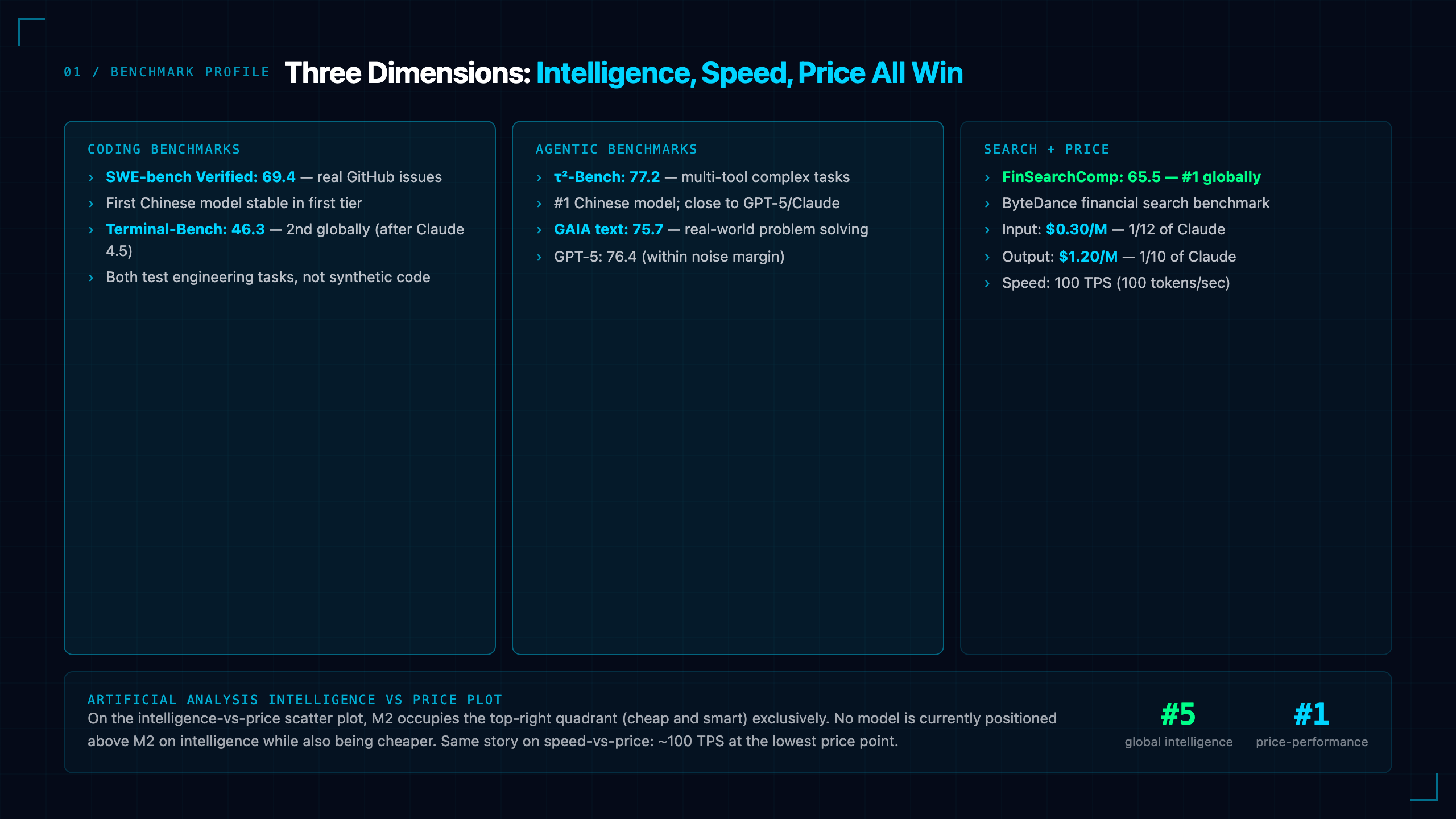
Coding — SWE-bench Verified: 69.4. This benchmark tests real software engineering capability against GitHub issues, not synthetic code puzzles. M2 is the first Chinese model to reliably reach the first tier on this benchmark. Terminal-Bench (real-world terminal task execution): 46.3, second only to Claude 4.5. Both numbers suggest coding quality that matches the price tier.
Agentic — τ²-Bench (complex multi-tool task execution): 77.2. #1 among Chinese models. GAIA text-only (real-world problem solving): 75.7, vs GPT-5 at 76.4 — a difference that falls within measurement noise. For agentic task execution at production scale, M2 is competitive with the frontier.
Deep research — BrowseComp (browser navigation + information extraction): strong showing. xBench-DeepSearch (multi-round iterative research): top tier. FinSearchComp-global (financial search, ByteDance benchmark): 65.5 — #1 globally. Financial search is one of the hardest retrieval categories: ambiguous queries, date-sensitive data, cross-source synthesis, unstructured data. Leading this benchmark is a signal about structured reasoning under incomplete information.
Pricing — Input: $0.3/M tokens. Output: $1.2/M tokens. For context: Claude Sonnet 4.5 is approximately $3/$15, GPT-5 is approximately $2/$8. M2 at $0.3/$1.2 is the most cost-effective option among models in its intelligence tier.
Agent Use Cases
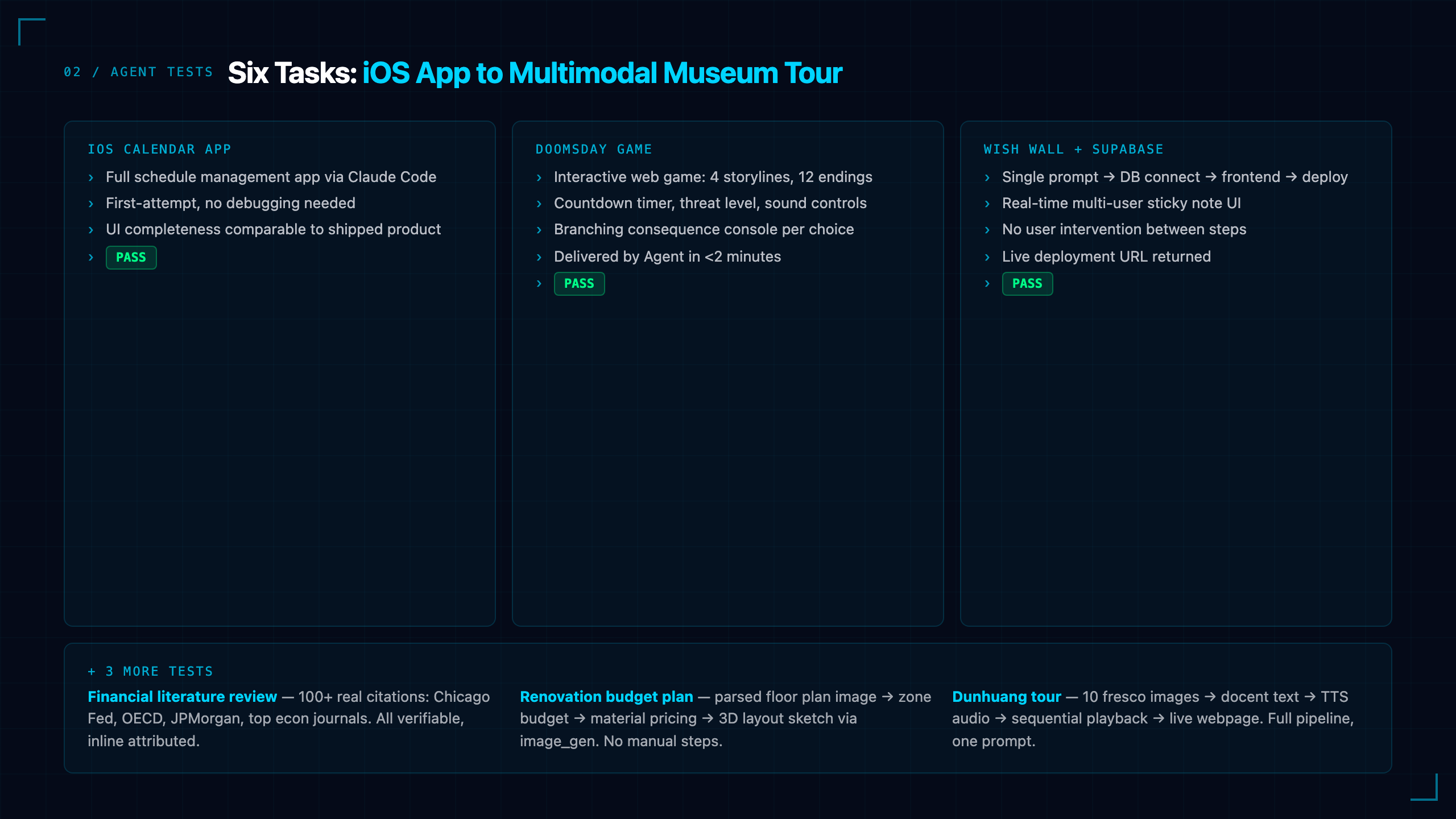
Six tasks tested in Claude Code and MiniMax Agent:
iOS calendar app — full schedule management app built via Claude Code + M2. UI completeness comparable to a shipped product. First-attempt generation without debugging.
Doomsday decision game — interactive web game: player plays AI commander, 5-minute timer, 4 storylines, 12 endings. M2 delivered the complete game in under 2 minutes via Agent. Homepage, countdown system, sound controls, threat level display, branching consequence console — all present in the output.
Anonymous wish wall — single-prompt instruction: "make an anonymous wish wall web page." M2 invoked the Supabase integration, completed database connection, frontend development, and backend deployment without user intervention. Output: multi-user real-time wish submission with sticky-note UI, handwritten font, hover animations. Fully deployed.
Financial literature review — vague prompt: "I want to write a literature review on gold price fluctuations, haven't finalized the title." M2 activated search agent, retrieved 100+ sources: Chicago Fed working papers (2021), Journal of Economic Behavior & Organization (2025), Energy Economics (2021), JPMorgan market reports (2025), OECD policy analysis (2022). All real, verifiable citations with inline attribution. This is the FinSearchComp strength in practice — the model retrieves authoritative sources and cites them correctly.
Renovation budget plan — input: apartment floor plan image (90sqm, 2 bedrooms, Beijing). Task: budget breakdown under ¥150K, minimalist modern style, with detailed table and 3D layout sketch. M2 parsed the floor plan, applied Beijing regional pricing, delivered zone-by-zone budget with material selection, area calculations, unit pricing, and notes — then called image_gen to produce a top-down 3D layout sketch matching "minimalist modern" specifications. No user intervention required between steps.
Multimodal Dunhuang tour — one-sentence prompt triggered: image search and selection of 10 representative Dunhuang fresco images, docent-style explanatory text for each, voice synthesis via MiniMax's TTS model (natural breathing, smooth intonation), sequential audio concatenation into a guided walkthrough, deployment as a live webpage. Image → text → voice → web, one generation chain.
Setup: Claude Code + M2
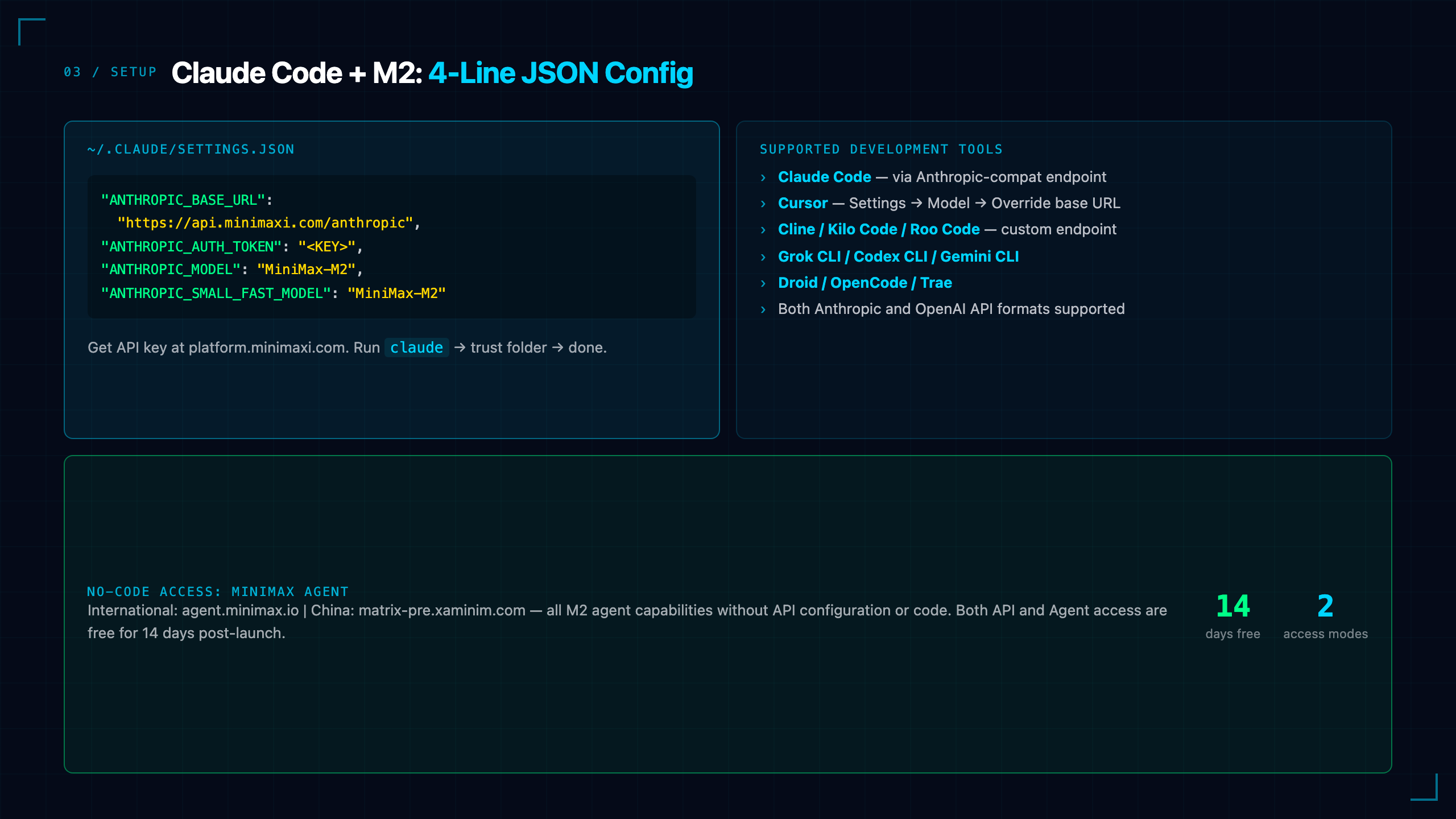
Step 1 — Get API key from platform.minimaxi.com/user-center/basic-information/interface-key
Step 2 — Add to ~/.claude/settings.json:
{
  "env": {
    "ANTHROPIC_BASE_URL": "https://api.minimaxi.com/anthropic",
    "ANTHROPIC_AUTH_TOKEN": "<YOUR_MINIMAX_API_KEY>",
    "API_TIMEOUT_MS": "3000000",
    "CLAUDE_CODE_DISABLE_NONESSENTIAL_TRAFFIC": 1,
    "ANTHROPIC_MODEL": "MiniMax-M2",
    "ANTHROPIC_SMALL_FAST_MODEL": "MiniMax-M2"
  }
}
Step 3 — Run claude, select "Yes, I trust this folder". Verify with who are you, your version.
MiniMax Agent (no-code access): international at agent.minimax.io, China at matrix-pre.xaminim.com. API and Agent both available free for 14 days.
Supported tools: Claude Code, Cursor, Cline, Kilo Code, Roo Code, Grok CLI, Codex CLI, Gemini CLI, Droid.
What It Means for Developers
The intelligence/speed/cost tradeoff has defined model selection since GPT-4. You pick two: frontier intelligence comes with high cost or slow speed. Fast cheap models are less capable. M2 at #5 intelligence, 100 TPS, $0.3/M input either breaks this pattern or represents a temporary arbitrage that closes over time.
For developers currently on Claude or GPT-5 for agent workflows: M2's τ²-Bench and GAIA scores are close enough to the frontier that switching makes sense for cost-sensitive applications. The FinSearchComp #1 position is especially relevant for any application involving research, document synthesis, or structured information retrieval.
For developers in China: the usual friction points (VPN instability, dollar billing, rate limits) are removed. M2 is a no-compromise option rather than a domestic substitute.
The open-source release also means the weights are available for fine-tuning, self-hosting, and research. For labs and startups that need customization capabilities rather than pure API access, this matters more than any benchmark number.
Bottom Line
M2's release is the first time a Chinese model has been simultaneously competitive on intelligence benchmarks, priced at a fraction of Western frontier models, fast, and open-source. The Dunhuang tour demo is the best illustration of the capability ceiling: from a single prompt, the model coordinated image search, text generation, voice synthesis, and web deployment without orchestration code. That pipeline, automated, is the practical definition of agentic AI.
Resources
- MiniMax API Platform — API keys and documentation
- MiniMax Agent (International) — no-code agent interface
- Anthropic-compatible API docs — Claude Code / Cursor setup
- Artificial Analysis M2 profile — live benchmark and speed data
MiniMax M2 API is available at platform.minimaxi.com. Input: $0.3/M, Output: $1.2/M. API and Agent access free for 14 days post-launch.